

The Role of the

Lieutenant Governor of Québec

The Role and Its Origins

The Lieutenant Governor fulfills essential constitutional, ceremonial, and community functions. 

Like the Governor General of Canada, she embodies the Crown at the provincial level, acting exclusively and autonomously within her areas of jurisdiction. In this capacity, she grants Royal Assent to legislation and honours civic engagement through the presentation of distinctions.

Her authority flows directly from the Sovereign: as such, the presence in the province of His Majesty King Charles III or the Governor General in no way restricts or suspends her powers.

lg séparateur

Constitutional Functions

Among the Lieutenant Governor's most important constitutional responsibilities is the granting of Royal Assent to legislation.

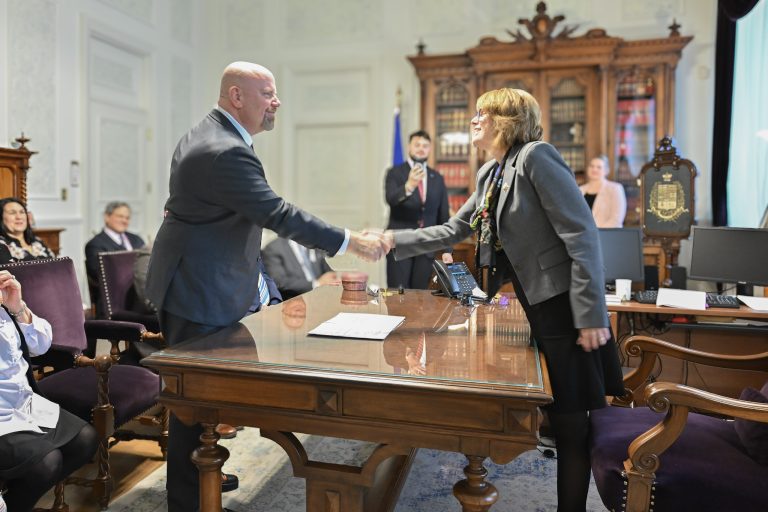
When a bill is passed by the members of the National Assembly, it is submitted to the Lieutenant Governor for her to grant "assent." This official step marks the culmination of the legislative process and gives the bill its full legal force, allowing it to come into effect according to the terms provided.

Beyond this fundamental role within Québec's democratic institutions, the Lieutenant Governor also carries out several other constitutional functions, including:

>>> On the executive side

  • Appointing the Premier;
  • Appointing Cabinet ministers, on the recommendation of the Premier;
  • Ratifying orders-in-council issued by the Cabinet.

>>> On the legislative side

  • Summoning the National Assembly;
  • Swearing in members of the National Assembly (authority delegated to the Secretary General of the National Assembly);
  • Delivering the Speech from the Throne at the opening of a parliamentary session;
  • Granting Royal Assent to bills passed by the National Assembly;
  • Proroguing a parliamentary session;
  • Dissolving the National Assembly;
  • Calling a general election.
lg séparateur

Ceremonial Functions

As the direct representative of the Crown, the Lieutenant Governor fulfills the ceremonial functions of head of state within her province and plays a vital role. In this capacity, she:

  • Welcomes members of the Royal Family upon their arrival and bids them farewell at the conclusion of their official visits to Québec;
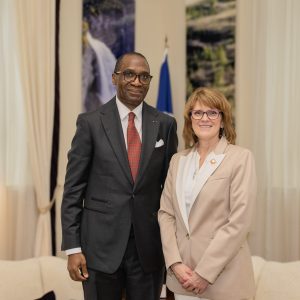
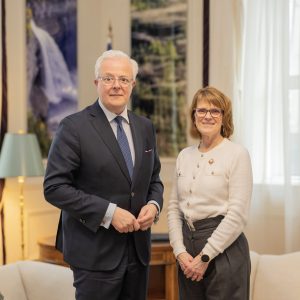
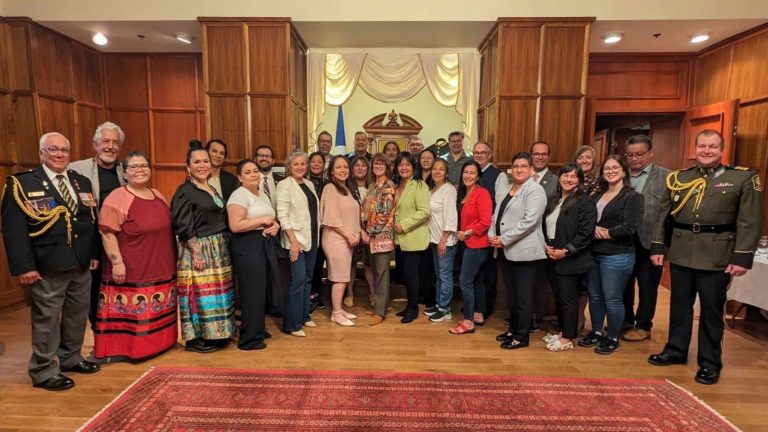
  • Receives members of the diplomatic and consular corps during their time in Québec;
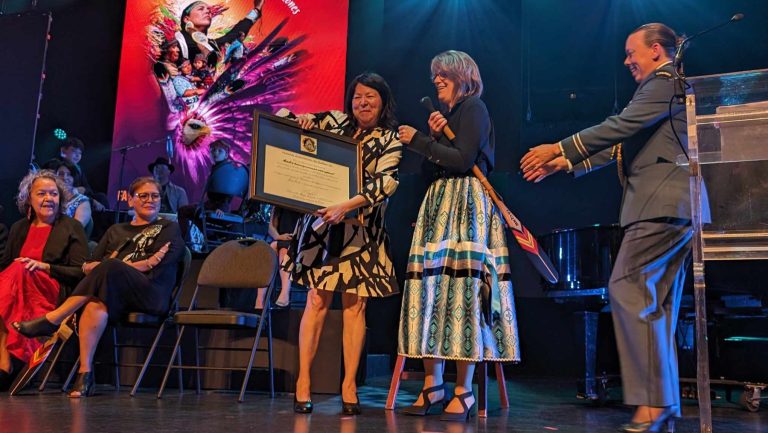
  • Presides over various official ceremonies, including:

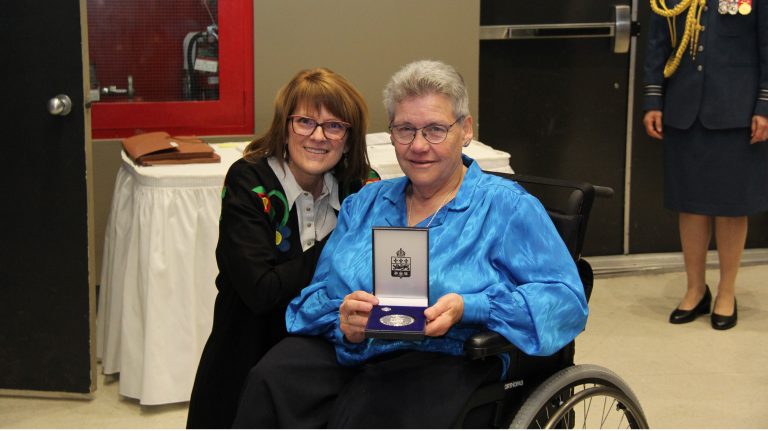
      • the presentation of the Lieutenant Governor's Medals;
      • the presentation of Chancellery distinctions;
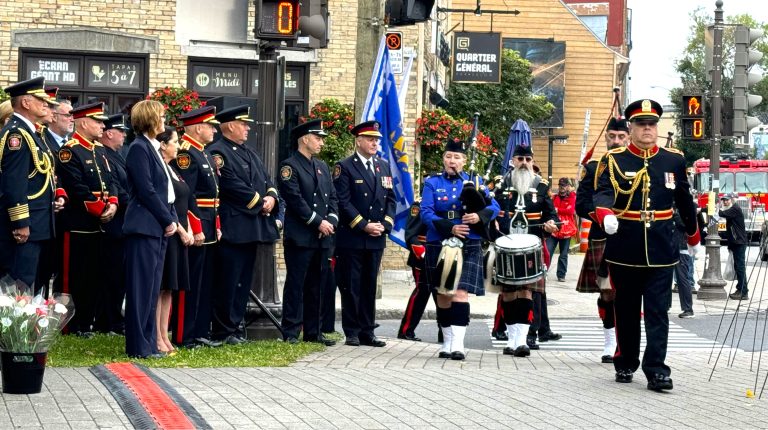
      • the presentation of medals for distinguished service (police, fire, and emergency medical services);
      • the investiture as Vice-Prior of the Order of St. John.
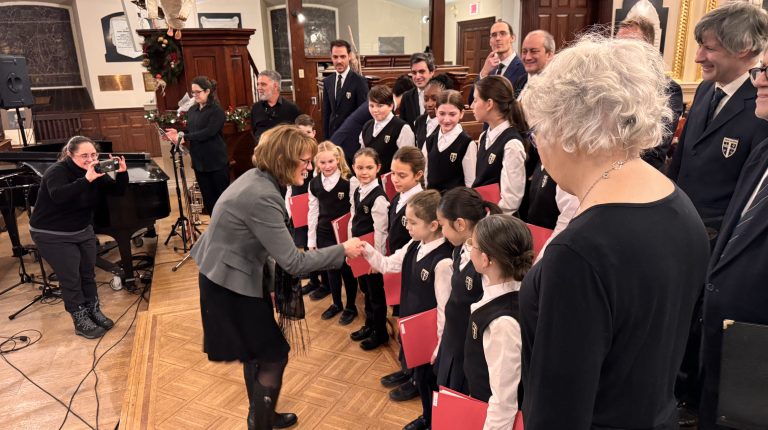
The Lieutenant Governor also takes part in numerous military and civic events, as well as various cultural activities.
lg séparateur

Community Functions

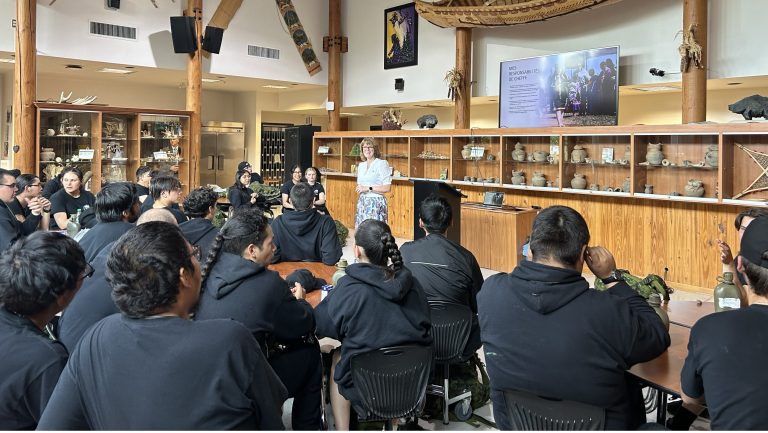
The Lieutenant Governor carries out numerous community functions aimed at supporting and promoting educational, cultural, social, and environmental causes across Québec. Through her presence, her attentiveness, and her commitment, she contributes to recognizing the remarkable work of individuals and organizations that actively participate in the collective well-being and vitality of our communities.

Wishing to ground her mandate in an approach that is both unifying and meaningful, she has chosen to place it under three core values: reconciliation, education, and the environment. These pillars guide all of her commitments and reflect her desire to foster respectful dialogue between Indigenous and non-Indigenous peoples, to promote the importance of education as a driver of empowerment and development, and to raise public awareness about environmental protection and our collective responsibility toward future generations.

Through her interventions and the initiatives she supports, the Lieutenant Governor also seeks to highlight the unifying and mobilizing role of the vice-regal function. She encourages civic participation, champions community engagement, and helps create spaces for dialogue, mutual understanding, and respect.

Through her actions, she contributes to the visibility of inspiring initiatives that strengthen the social fabric of Québec, while working to uphold democratic values and the institutions that ensure their continuity.

lg séparateur

The Origins of the Role

In 1867, the founders of Canadian Confederation chose to establish a constitutional monarchy with a parliamentary system, thereby maintaining ties with Great Britain. As a result, Canada's sovereign, His Majesty King Charles III, is represented at the federal level by the Governor General and, at the provincial level, by the lieutenant governors.

Here are some historical facts relating to the creation of this royal function:

A Federal Union

In 1864, representatives of the British colonies of North America — the Province of Canada (Québec and Ontario), New Brunswick, Nova Scotia, and Prince Edward Island — gathered in Charlottetown and then in Québec City to examine the possibility of forming a federal union, driven by both political and economic considerations.

This proposed union was motivated by Great Britain's gradual disengagement from its North American colonies, by the expansionist ambitions of the United States during the Civil War, and by the repeal of protectionist trade laws in the United Kingdom.

The English Constitution as a Model

At the Québec Conference in October 1864, the delegates adopted 72 resolutions, which form the core of the provisions later incorporated into the British North America Act, known as the Constitution Act, 1867 since 1982.

It is in this document that resolutions 3 and 4 express the wish that the Canadian constitution be modelled on the British Constitution and that power be exercised by the British sovereign:

"In framing a Constitution for the General Government, the Conference […] desires to follow the model of the British Constitution, so far as our circumstances will permit."

"The Executive authority or Government shall be vested in the Sovereign of the United Kingdom of Great Britain and Ireland, and be administered according to the well-understood principles of the British Constitution by the Sovereign personally, or by the Representative of the Sovereign duly authorized."

The essence of these two resolutions is reflected in the preamble of the British North America Act:

"Whereas the Provinces of Canada, Nova Scotia, and New Brunswick have expressed their Desire to be federally united into One Dominion under the Crown of the United Kingdom of Great Britain and Ireland, with a Constitution similar in Principle to that of the United Kingdom."

These 72 resolutions set out, among other things, the political and administrative structure of the new Dominion, as well as the division of powers between federal and provincial authorities. Resolution 38 states that "each Province shall have an Executive officer, to be called the Lieutenant-Governor," a provision later enshrined in section 59 of the Constitution Act, 1867.

Few Republican Constitutional Systems

It is worth noting that in 1864, examples of republican constitutional systems were rare, as virtually all European countries were kingdoms or empires at the time.

France was the exception, with the Second Republic established in July 1848. This republic enjoyed a mixed reputation in Québec, which was then strongly influenced by the Ultramontane movement.

It came to an end in December 1851, following the coup d'état of Louis-Napoléon Bonaparte.

Further Reading

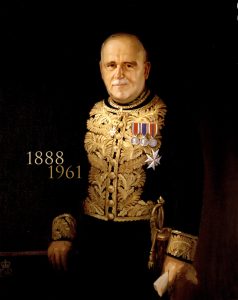
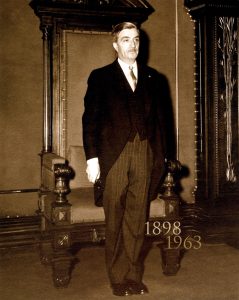
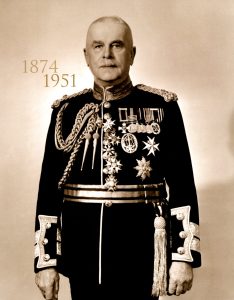
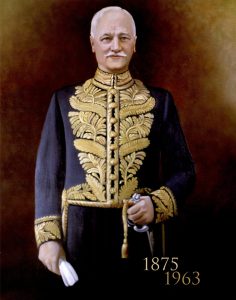
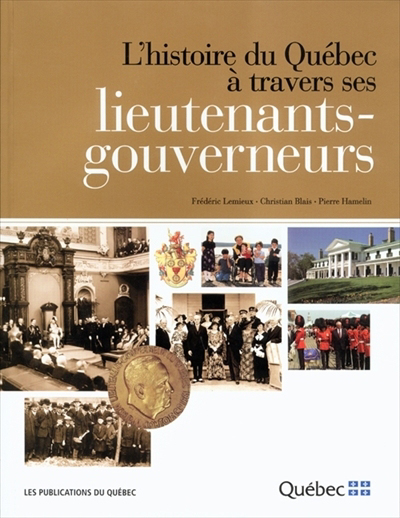
The illustrated book L'histoire du Québec à travers ses lieutenants-gouverneurs (2005, Publications du Québec), written by historians Frédéric Lemieux, Christian Blais, and Pierre Hamelin, traces the evolution of the role of lieutenant governor and devotes a chapter to the 27 individuals who have held this position since 1867.

The website of the National Assembly of Québec also presents the role as well as the biographies of each of the lieutenant governors.

Scroll to Top